

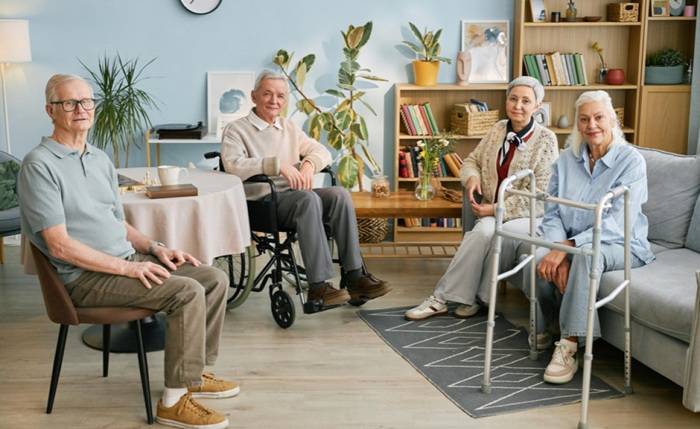
The older you are, the more you will appreciate the home comforts. Yet for older homeowners, having too much kit at home every day is a hazard. Subtle practical changes can make a huge difference to home safety for seniors to enable them to remain at home longer, safe and contented in their own surroundings.
Improve Lighting Throughout the Home
Poor lighting is a common reason for falls. Soft, even light in hallways, bedrooms, and doorways avoids tripping and stumbling. Replace dim older incandescent bulbs with brighter, energy-saving bulbs and install nightlights or motion-sensing lamps in hallways and bathrooms. Let there be light, too; open blinds throughout the day for better light and atmosphere.
Help Balance and Stability
Install grab bars near easily visible areas, like the bathroom, or open entryways to enable steps, so mobility is facilitated on a daily basis. Two-way handrails for corridors and stairs provide a handrail for assistance. Minor modifications, such as fitting non-slip mats within the bathroom or on tile floors, can prevent serious accidents. All these supportive devices are discreet, but each step towards mobility confidence is in the right direction.
Eliminate Clutter and Dangers
A clutter-free house is a secure house. Cluttered floors, cluttered cords, or堆 debris are danger hurdles. Leave corridors and doorways wide open. Rearrange furniture for an easy path, especially for mobility aid users. Eliminate furniture with rough edges or protect furniture corners using corner protectors to prevent bumping.
Reconsider Bathroom Safety
Bathrooms are especially hazardous with slippery, wet floors. A safety shower seat, handheld showerhead, or walk-in shower offers bathing and hygiene routines comfort and ease of use. The incorporation of rubber mats or textured tiles to offer slip protection is also advised. For any plumbing renovation, including accessible fixture installation or leak-proof fitting installation, Metropolitan Bath & Tile can be consulted for security and reliability.
Make the Kitchen Easier to Use
Plan the kitchen as uncomplicated and easy to understand as possible. A layout where the most-used items are at handy levels avoids reaching or climbing. Lever taps are easier to turn with arthritic fingers than twist knobs. Drawers or pull-out shelves also minimize straining in pulling out heavy objects like pots and pans. Having proper organization is not only time-saving but avoids unnecessary accidents.
Install Useful Technology
Up-to-date technology is going to be playing a key role in home safety for seniors. Intelligent automatic lighting systems that switch themselves on, video doorbells with secure entrances, and voice-controlled devices can all play their part towards independence. Call-for-help systems and fall alarm systems provide reassurance, which enables instant assistance to be called on if needed. Technology never supplants anything in the human realm, but can help provide beneficial aid to older persons and their families.
Prioritizing Accessibility
All parts of the house must be easy to access. Threshold ramps can make wheelchair users freely shift between rooms. The correct height and firm, cushioned chairs facilitate easy standing. Even swapping doorknobs for lever handles can be very helpful to people with a weak grip.
The Last Word
It requires no expensive remodelling to make the house senior-friendly. The key is advance planning for everyday life and prevention of falls. With careful consideration of lighting, balance, accessibility, and organization, you can turn a familiar home into a secure, supportive place of living that encourages independence. Small changes now can encourage comfort, dignity, and peace of mind for years to come.